Why Tokens Created via HootDex Are Built for Global Portability
Why Tokens Create Via HootDex and Minted on Pecu Novus Are Built For Global Portability
From the latest upgrade to the Pecu Novus blockchain, one of the core upgrade goals was to ensure that tokens minted on the network would be universally compatible, easy to integrate and capable of moving across platforms without friction. That’s why every token minted on Pecu Novus is now fully ERC‑20 compliant and PNP16 compliant, giving them the same portability and interoperability that developers and institutions already understand. This means any token created on Pecu Novus can operate anywhere ERC‑20 is supported, without modification, wrapping or special handling.
Tokens minted directly through HootDex take this even further. While they remain ERC‑20 and PNP16 compliant, they are also built using bespoke smart contracts engineered specifically for the Pecu Novus environment. These contracts include high‑fidelity data structures, automated functions and native integrations that allow each token to benefit from the speed, cost efficiency and deterministic performance of Pecu Novus while still being ERC-20 compliant. Because HootDex absorbs all Pecu Novus gas fees, whether it is on the exchange, across wallets and even when tokens move into DeFi platforms, users experience the full power of the network without ever paying a gas fee themselves.
What makes HootDex‑minted tokens especially unique is that each one is backed by a Digital Asset Treasury (DAT) that grows over time. As trading occurs on HootDex, 97% of trading‑fee revenue is used to acquire PECU and either lock it permanently into the DAT for that token or burn it to reduce supply. This means that even when a token leaves HootDex and circulates across the broader ERC‑20 ecosystem, it still benefits from the collateralization and economic structure that was built for it from the start.
This leads to the big question many in the community ask and that is where can HootDex‑minted tokens actually trade beyond HootDex?
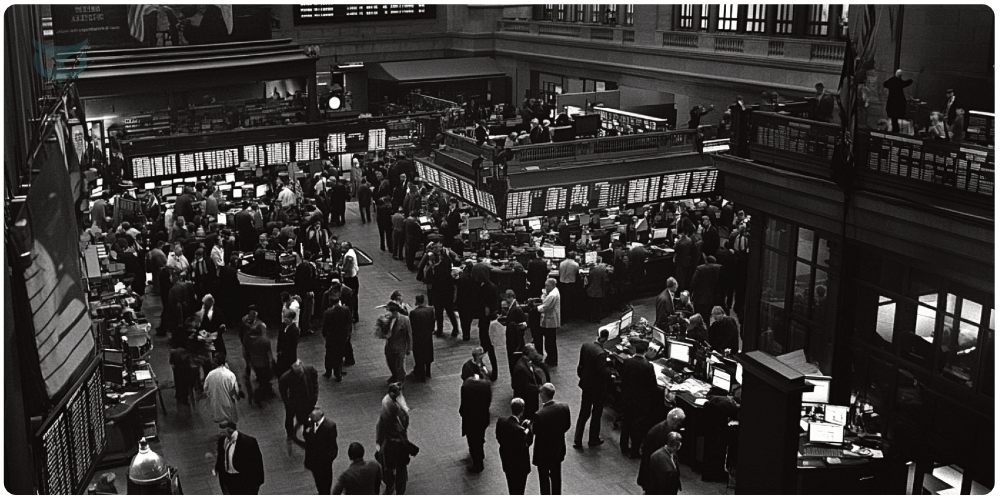
The answer is simple, anywhere ERC‑20 lives. Because these tokens follow the ERC‑20 standard and maintain PNP16 compliance, they can be listed, traded or integrated on any platform, exchange or marketplace that supports ERC‑20 assets. That could easily include major global exchanges such as Nasdaq, Euronext, the Tokyo Stock Exchange, the Toronto Stock Exchange, Deutsche Börse, the London Stock Exchange, the Luxembourg Stock Exchange, The International Stock Exchange, and the Cayman Islands Stock Exchange, as long as they integrate ERC-20 standards then they can flow through there as well. It also includes OTC and institutional trading venues like Tradeweb, MarketAxess and Bloomberg.
And no matter where these tokens travel, they remain tied to their Digital Asset Treasury, continue to benefit from the economics of the Pecu Novus blockchain and can always be traded back on HootDex. This combination of portability, collateralization and low cost execution is what makes the Pecu Novus + HootDex model fundamentally different from traditional token ecosystems.